Finding new ways to qualify for investment property loans can feel intimidating—especially if your income…
DSCR Loans: Flexible Mortgage Options for Local Real Estate Investors
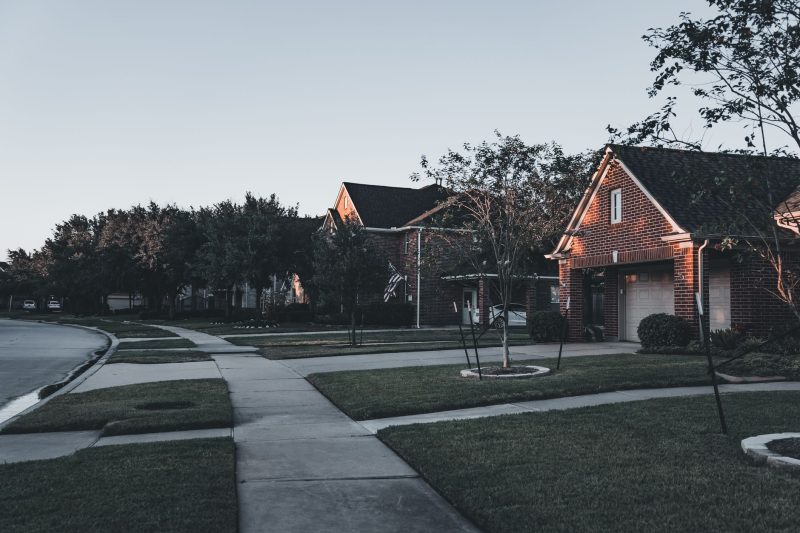
Buying investment property in Erie County can be a smart move, but getting a mortgage that fits your unique financial situation isn’t always straightforward. A DSCR loan, or Debt Service Coverage Ratio loan, is a type of investment property mortgage that qualifies borrowers based on the rental income of the property—rather than personal income or traditional documentation. In this article, we’ll break down how DSCR loans work, who they’re best for, typical requirements, and how to start your application process locally.
Key Takeaways
- Purpose: DSCR loans allow investors to qualify for mortgages based on a property’s rental income rather than personal income verification.
- Qualification: Approval mainly depends on the property’s rental cash flow compared to the loan payment; personal income is less important.
- Documentation: Typically requires a lease agreement and market rent analysis instead of tax returns or pay stubs.
- Timeline: The process may be faster than traditional loans for investors who already have a property in mind and strong rental figures.
- Best For: Real estate investors, self-employed borrowers, and those with complex or non-traditional income streams.
Quick Answers: DSCR Loan Basics
- What does “DSCR” stand for? Debt Service Coverage Ratio, which measures a property’s ability to pay its own mortgage from rental income.
- How is DSCR calculated? Divide the property’s gross rental income by the monthly mortgage payment (including principal, interest, taxes, insurance, and association dues).
- Can I use a DSCR loan for any property? DSCR loans are primarily designed for non-owner-occupied investment homes like single-family rentals, duplexes, or condos.
- Do I need to show personal income or employment? In most cases, no. The focus is on the property’s income and your credit profile.
- What if the property doesn’t currently have a tenant? Lenders typically use market rent analysis to estimate income potential.
What Is a DSCR Loan?
A DSCR loan is a non-traditional mortgage product that lets real estate investors qualify for financing based on a property’s rental income instead of their personal tax returns or employment situation. This makes DSCR loans a popular solution for self-employed buyers, investors with multiple properties, and anyone whose tax returns don’t accurately reflect their cash flow.
At Mainstream Funding (NMLS# 77016), we help local investors and self-employed borrowers access DSCR loans and other alternative documentation mortgages throughout Erie County and neighboring regions.
How Does DSCR Qualification Work?
Unlike standard mortgage programs where income documentation is required, a DSCR loan typically asks:
- What is the monthly rental income or potential market rent for the property?
- What will your total housing payment be with the new loan (principal, interest, taxes, insurance, HOA dues)?
The DSCR number is calculated by dividing the gross rental income by the monthly housing expense. A DSCR of 1.0 means rental income just covers the mortgage payment; higher is better. Lenders often want a DSCR above 1.0, but requirements can vary.
Personal income, employment, or tax return documentation is de-emphasized—though credit score and down payment are still considered.
Who Typically Uses DSCR Loans?
DSCR loans are best suited for real estate investors and those with non-traditional income sources. You might consider a DSCR loan if you are:
- Buying a single-family or multifamily investment property
- Building your local rental portfolio in Erie, Niagara, or surrounding counties
- Self-employed, have fluctuating income, or use significant tax deductions
- Looking for streamlined documentation with more flexibility than bank statement loans
DSCR Loan Scenarios
| Scenario | Traditional Loan | DSCR Loan |
|---|---|---|
| Investor with high rental income but low reported personal income | Difficulty qualifying | Qualify based on property income |
| Self-employed with complex tax returns | May require years of documentation | Often just property income & credit review |
| Expanding rental portfolio quickly | Limits based on personal debt-to-income | Focus on property’s cash flow only |
DSCR Loan Requirements and Guidelines
Here’s what lenders typically look for with DSCR loans, though details may vary:
- Property Types: Non-owner-occupied residential real estate—single family, 2-4 units, some condos/townhomes.
- Minimum DSCR: Often 1.0 or higher (property’s gross income at least equals the housing payment).
- Credit Score: Minimum required varies—generally 620 or above helps, but some DSCR programs are flexible.
- Down Payment: More flexible than commercial loans, but typically a higher minimum than standard owner-occupied mortgages.
- Documentation: Current lease and/or market rent analysis; no personal tax returns required.
- Reserves: Cash reserves may be required, especially for larger loan amounts or rental portfolios.
Always check up-to-date lender rules, as DSCR loan guidelines change based on market conditions and investor demand.
Want to compare a DSCR loan to other investment property mortgages? Learn more about our investment property loan options.
Pros and Cons of DSCR Loans
| Pros | Cons |
|---|---|
|
|
DSCR loans can also often close quickly, especially when the property’s lease and documentation are in order. However, it’s still important to compare all the options available to you—including bank statement loans and traditional fixed rate investment loans.
DSCR Loan Application Process: Step by Step
- Consultation: Discuss your goals, property type, and scenario with a mortgage professional experienced in DSCR lending.
- Property Evaluation: Gather address, rent roll, and, if available, current leases or market rent data.
- DSCR Calculation: We’ll work with you to estimate the property’s DSCR and check fit for multiple programs.
- Application: Submit a streamlined application—typically, no personal income docs needed.
- Underwriting & Appraisal: The lender reviews property data, credit, and issues an appraisal if needed.
- Closing: Once approved, sign final docs and fund your property purchase or refinance.
Buying in Erie or neighboring counties? Our team helps guide you through each step and can review pre-approval options even before you identify a specific property.
DSCR Loans vs. Other Investor Options
| Loan Type | Key Qualification | Best For |
|---|---|---|
| DSCR Loan | Property rental income | Self-employed, multiple properties, non-traditional income |
| Conventional Investment Loan | Borrower income & DTI | W-2 or strong tax returns |
| Bank Statement Loan | Personal/business bank deposits | Self-employed with healthy deposits |
| Commercial Loan | Project/asset based | 5+ units or mixed-use |
If you’re unsure which program best fits your situation, discussing your goals with a local Erie County expert is a great first step.
How to Get Started with DSCR Loans
Every investor’s scenario is different, and program guidelines can change. Our team at Mainstream Funding stays current on all available DSCR and alternative investor loan programs—we know how to help local buyers navigate unique situations, rental portfolios, and property types in Western New York.
Ready to explore your DSCR loan options, or want to know if your property’s cash flow will qualify? Call, text, or email us to review your scenario in detail, compare your options, and map out your next steps. If you’re just starting out, we’re happy to help with pre-approval planning for your next Erie County or Western NY investment.
Frequently Asked Questions
What is a DSCR loan and how does it help investors?
A DSCR loan is a mortgage for investment properties that uses the property’s rental income to qualify, making it ideal for borrowers who may not meet traditional income documentation requirements. It helps investors grow their portfolio by focusing on the cash flow of each property.
What documentation is required for a DSCR loan?
Generally, you’ll need to provide a lease agreement or analysis of comparable market rents. Lenders usually do not require W-2s, personal tax returns, or employment verification, but will review your credit and down payment funds.
Can DSCR loans be used for short-term rentals or Airbnb properties?
Some DSCR lenders do allow short-term rental income as part of the qualification, but the rules can vary. Always confirm that your lender accepts these properties and be ready to provide documentation of past rental history if needed.
What are the typical rates and fees for DSCR loans?
DSCR loan rates and fees are often higher than standard residential investment loans, reflecting the lender’s increased risk and alternative documentation. The exact costs can change frequently, so it’s important to compare estimates before proceeding.
How quickly can I close a DSCR loan for a local investment property?
The timeline varies, but DSCR loans may be faster to close if property documentation and appraisal are ready. Working with a knowledgeable lender can help streamline the process for Erie County investors.
This is educational and not financial advice. Loan programs and guidelines can change. Talk with a licensed mortgage professional about your specific scenario.

About the Author
Katie Medina
Operations Manager at Mainstream Funding
Katie brings over a decade of experience in both the banking and mortgage industries, giving her a well-rounded perspective that helps Mainstream Funding deliver exceptional service to every client.
Specializes in: Conventional
FHA/VA
USDA
Licensed in: NY
Company NMLS #77016
Related Posts