Buying a home outside the city can offer more space and peace, but financing a…
USDA Loans: How Rural Homebuyers Can Qualify in Western New York
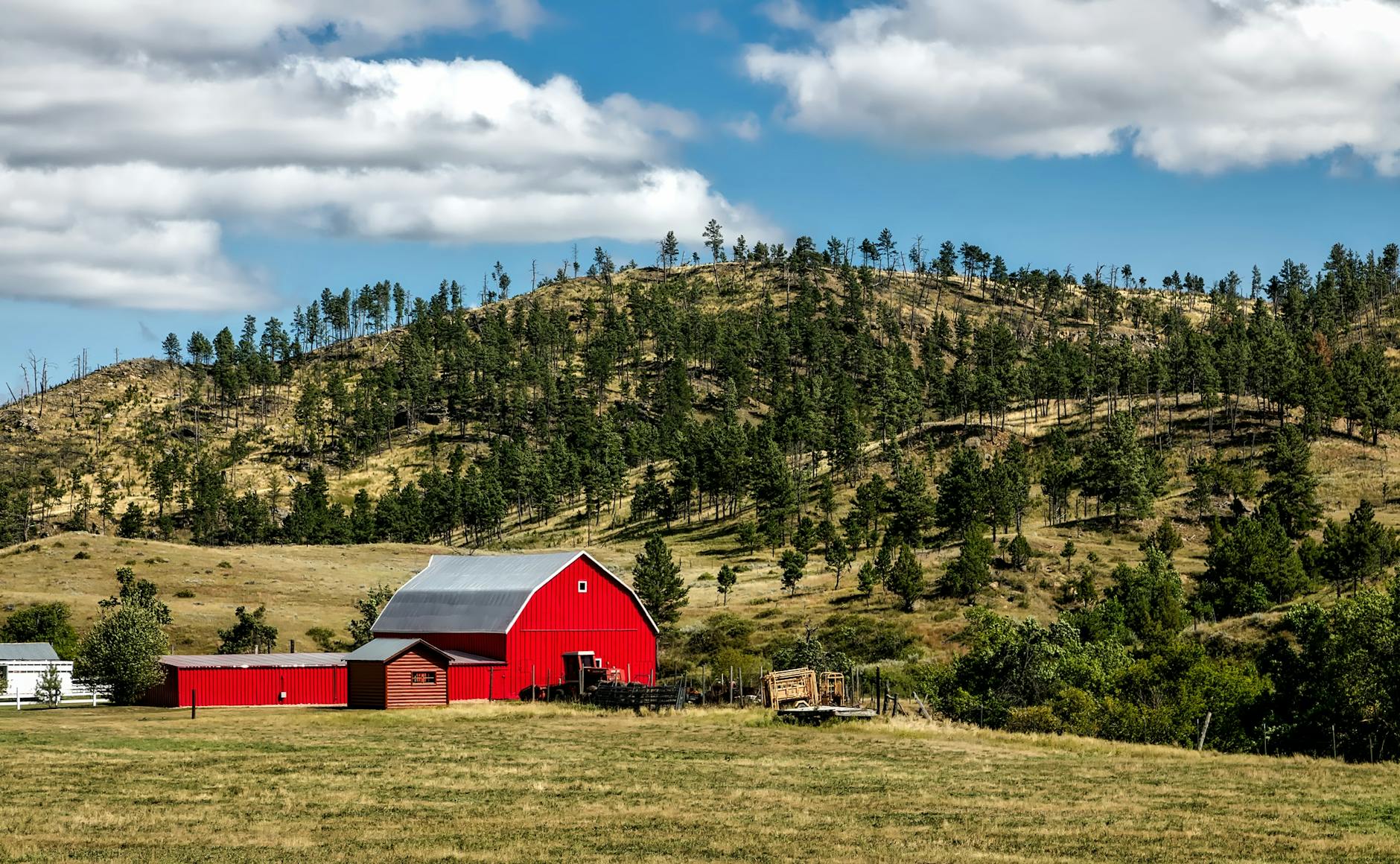
Buying a home in a rural area can feel daunting, especially when you’re unsure about your financing options. A USDA loan is a government-backed mortgage program designed to help low-to-moderate income homebuyers purchase homes in eligible rural and some suburban areas with little to no down payment. In this article, we’ll explain how USDA loans work, review the qualification requirements, and outline the steps to secure this type of loan in Western New York communities like Erie County and beyond.
Key Takeaways
- Purpose: USDA loans help qualified homebuyers purchase a primary residence in approved rural and suburban areas with minimal or zero down payment.
- Eligibility: Borrowers must meet location, income, and credit criteria to qualify for a USDA mortgage.
- Down Payment: Often requires no down payment, making it accessible for first-time and lower-to-moderate income buyers.
- Timeline: The USDA process typically takes a bit longer than conventional loans, averaging 45–60 days from application to closing.
- Best For: First-time buyers, veterans, and self-employed individuals seeking affordable homeownership in rural Western New York communities.
Quick Answers: USDA Home Loans in Western NY
- Who can use a USDA loan? Anyone buying a primary residence in a qualifying area and meeting USDA income and credit guidelines.
- What areas are eligible? Many neighborhoods outside core cities in Erie, Wyoming, Niagara, and Genesee Counties qualify as “rural” by USDA standards.
- Do USDA loans require a down payment? Most USDA loans require no down payment.
- Is mortgage insurance required? USDA loans include a guarantee fee and monthly fee, similar to mortgage insurance, but often with lower monthly costs than FHA.
What Is a USDA Loan?
A USDA loan, also known as a Rural Development Loan, is a mortgage program insured by the U.S. Department of Agriculture designed to make homeownership accessible in rural and eligible suburban communities. It offers unique features such as no required down payment, competitive interest rates, and flexible credit guidelines. USDA loans can be a solution for buyers who have limited savings or income and are considering homes outside urban centers.
What Areas in Western New York Qualify for USDA Financing?
The USDA defines rural broadly—many areas you’d consider “small town” or even suburban around Erie, Wyoming, Niagara, and Genesee Counties may qualify.
- Most towns outside major cities like Buffalo are USDA-eligible (check with us for exact addresses—eligibility tools update regularly).
- Properties must be used as your primary residence (no vacation or investment homes).
Tip: Even some communities close to the Buffalo metro area still qualify. We can help you check specific addresses for eligibility.
Major USDA Loan Requirements
- Location: The home must be in a USDA-eligible area (determined by address).
- Income Limits: Your total household income must fall within set county limits, adjusted for household size. (For example, in Erie County, the limit for a family of 1–4 is often around $110,650, but this varies and changes annually.)
- Credit Score: USDA does not set a hard minimum, but many lenders look for scores around 640 and up. Alternative credit can sometimes be used.
- Primary Residence: The property must be your main home (no second homes or rentals).
- Debt-to-Income Ratio: Your monthly debts (including your new mortgage) should typically be below 41% of gross monthly income — exceptions may apply for strong compensating factors.
USDA Loan Benefits: Why Consider This Option?
- No Down Payment: Qualified buyers can finance up to 100% of the purchase price.
- Competitive Interest Rates: USDA rates are often similar or lower than conventional loans for similarly qualified borrowers.
- Lower Monthly Costs: USDA’s guarantee fee is often lower than FHA mortgage insurance, making payments more affordable.
- Lenient Credit Standards: Flexible on credit history; alternative credit considered in some cases.
- Allows Gift Funds & Grants: Closing costs can be covered by gifts or seller concessions (within USDA limits).
USDA vs Other Low-Down Payment Loan Options: At a Glance
| Feature | USDA | FHA | Conventional |
|---|---|---|---|
| Down Payment | 0% | 3.5% | 3%-5% minimum |
| Eligibility Areas | USDA-eligible areas | No location limits | No location limits |
| Income Limits | Yes | No | No |
| Primary Residence Only | Yes | Yes | No |
| Mortgage Insurance | Annual guarantee fee | Upfront & monthly MIP | PMI if down <20% |
Who Is a Good Fit for a USDA Loan?
USDA loans are best for buyers who:
- Are looking in USDA-approved areas across Western New York (think smaller towns and suburban neighborhoods just outside the city core).
- Have household income within set limits for the county.
- Don’t have significant savings for a down payment.
- Might not meet stringent credit or reserve requirements for other loan types.
- Are buying a primary residence.
First-time homebuyers, veterans, and self-employed borrowers often find USDA mortgages accessible thanks to flexible approval standards and no-deposit financing.
What Do You Need to Qualify for a USDA Mortgage?
- Stable, verifiable income for at least 24 months—pay stubs, tax returns, or bank statements if self-employed.
- No recent bankruptcies or foreclosures (timeframes vary, generally at least three years since major negative events).
- Willingness to live in the home as your primary residence.
We can help explain how income is calculated (including if you’re self-employed), and walk you through verifying a property’s eligibility in real time.
USDA Loan Approval Process: Step-by-Step
- Pre-Approval: Connect with our team to review your credit, income, and location plans, and get a clear idea of your budget.
- Find a Home: Shop properties in USDA-eligible zones (we’ll help you verify).
- Submit Application: Complete your mortgage application with supporting documents.
- Underwriting & USDA Review: Your file is reviewed for final approval—some cases require a USDA regional office sign-off, so allow extra time.
- Closing: Once approved, close on your home and move in!
Get Started with USDA Loans in Western New York
If you’re considering buying a home in Erie County or surrounding rural areas, a USDA loan might open the door to homeownership with less cash out of pocket. We invite you to call, text, or email us to review your scenario, compare programs, and map your next steps—especially if you’re early in your pre-approval planning. Our team specializes in guiding first-time buyers, veterans, and self-employed borrowers through the process in Western NY’s unique housing market.
Frequently Asked Questions
How do I know if a property in Erie County is USDA-eligible?
USDA eligibility is based on the property address. Many areas outside the central city limits in Erie County qualify. Contact us, and we can quickly check any address using the latest USDA eligibility tool.
What is the income limit for USDA loans in Western New York?
Income limits vary by county and household size and are updated periodically. As a general guide, households of 1-4 people in Erie County often see limits around $110,650, but your exact number may differ—let us check based on your details.
Can I use a USDA loan if I am self-employed?
Yes, USDA loans allow self-employed individuals to qualify, using tax returns or bank statement verification. We can help you document your income accurately to meet program guidelines.
What types of properties are eligible for USDA loans?
Eligible properties must be single-family homes, townhomes, or certain condos located in a USDA-approved area. The home must be used as your primary residence and meet basic quality and safety standards.
How long does USDA loan approval take?
The USDA loan process typically takes 45–60 days from application to closing. This is slightly longer than some conventional loans because a final review by the USDA is often required.
This is educational and not financial advice. Loan programs and guidelines can change. Talk with a licensed mortgage professional about your specific scenario.

About the Author
Katie Medina
Operations Manager at Mainstream Funding
Katie brings over a decade of experience in both the banking and mortgage industries, giving her a well-rounded perspective that helps Mainstream Funding deliver exceptional service to every client.
Specializes in: Conventional
FHA/VA
USDA
Licensed in: NY
Company NMLS #77016
Related Posts